
Living and working in Croatia
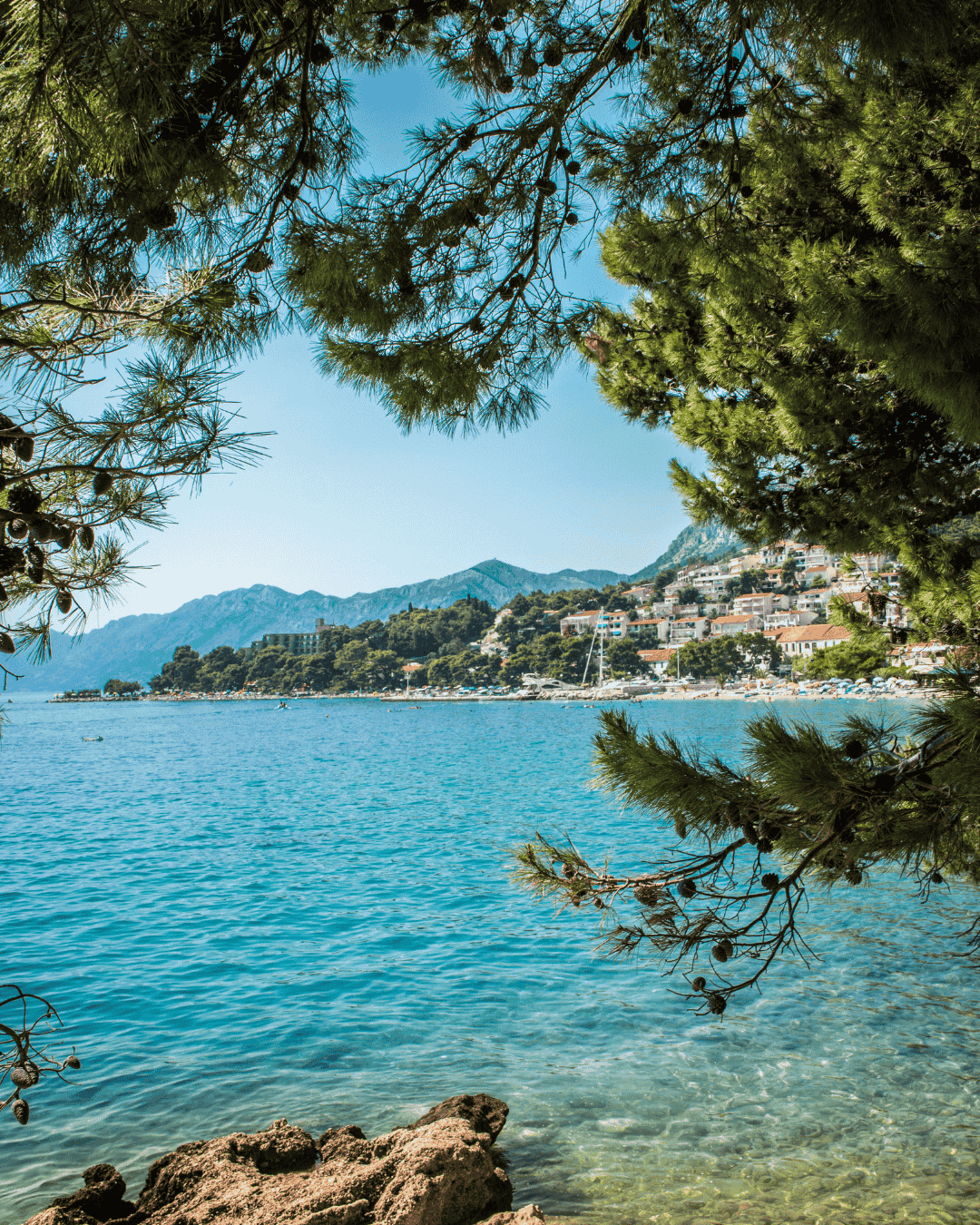
Croatia is known for its beautiful mountains, amazing coastal landscapes and vibrant architecture. But are you also wondering what it would be like to live in Croatia?
Then keep on reading as we aim to give you a broader perspective on this stunning country.
Click below to read more about:
- Latest available jobs in Europe
- Work in Croatia
- Taxes in Croatia
- What you need to fix before living and working in Croatia
- Popular cities in Croatia
- Speak to one of our recruiters
- Life in Croatia
- Basic facts about Croatia
- Typical Croatian food
- Finding accommodation in Croatia
- Cost of living in Croatia
- Expats in Croatia
- Still not convinced about Croatia?
- FAQ
- Find work in other countries nearby
Latest available jobs in Europe
Danish Sales Agent in Fuengirola | JobSqd
Join as a Danish-speaking sales agent in Fuengirola, Spain. Phone and energy sector with competitive salary. Apply at JobSqd.
Swedish Account Executive in Copenhagen | Jobsquad
Apply for a Swedish account executive role in Copenhagen, Denmark. B2B sales in the creative media sector. Career growth via Job Squad.
Currency
The Euro (€) has been the official currency in Croatia since 2023
Famous people
Some famous Croatian people are Mira Furlan, Slavica Ecclestone, Marin Čilić
Population
Croatia has ~3.9 million residents, and many of them living in Zagreb
Typical food
Seafood, Boškarin, Fritule , Fuži and pljukanci, Peka (or ispod čripnje), Brodetto (or brudet)
Avg. working week
Croatia has a 40 hour work week, 8 hours daily, 5 days a week
Location
Croatia is located in central and Southeast Europe and borders Serbia, Hungary, Bosnia and Herzegovina, Montenegro and Slovenia
Languages
The official language is Croatian, and their alphabet is based on latin
Healthcare
Croatian healthcare is generally good, and both public and private healthcare is available.
Work in Croatia
Croatia doesn’t differ much from other European countries regarding work policies. The working hours are 40 hours per week, 8 hours daily with 30 minutes break for lunch. Each employee is entitled to 20 days annual leave and sometimes the Saturdays count even if the company doesn’t work on Saturdays. The work culture in Croatia is very formal and the companies must follow the government’s regulations that tends to protect the employees regarding discrimination, equity, wage levels and part-time employment. This ensures benefits like health insurance or social security for everyone. Croatians are very welcoming and warm people, and they speak English quite well. It’s not a surprise why so many expats choose Croatia as their destination to work abroad.
In a business environment, they appreciate being punctual and even though they like jokes on a daily basis, they are limiting them significantly during business meetings. First step of professional cooperation is always formal, only afterwards, after some time, they like to get to know their partners better.
Work in Zagreb
Zagreb, the capital city, is the centre of the economy in Croatia. Each conglomerate of companies in Croatia has its headquarters in this city. The leading sectors in the economy of Zagreb are electrical production, pharmaceutical companies, and food and drink processing. However, the technological sector is particularly growing along with many start-ups, which attracts many expats.
Taxes in Croatia
Once you decide which city in Croatia you want to live in, it’s important to register in the tax administration office (Porezna Uprava) in order to obtain your OIB number. This process can take some time depending on how busy the office is when you apply. You can check the list of offices by city HERE. After this you’re ready to start making contributions and your salary is registered to pay progressive taxes at the end of the fiscal year. The taxes range from 15% to 45% depending on your income.
What you need to fix before living and working in Croatia
- Register your address; register your residence with the local police administration
- Residence permit; register your stay in Croatia
- Personal identification number; you must obtain this. Required for banking, salary, taxes and contracts
- Health insurance; this is mandatory in Croatia
- Croatian bank account; needed to receive your salary payments
- Croatian phone number
Popular cities in Croatia
Speak to one of our recruiters

Life in Croatia
Living in Croatia is a mix of stunning nature, history, and a cool cultural scene. The coastline along the Adriatic Sea has picturesque beaches and crystal clear waters. Croatia’s charming historic cities like Dubrovnik, Split, and Zagreb are packed with architecture, markets, and cafes.
The mild winters and warm summers provide many options for outdoor activities all year. The cost of living is lower compared to western countries, making it an attractive option if you want affordability and a high quality of life.
Basic facts about Croatia
Croatia is a scenic Balkan country and the capital city is Zagreb. Its population is around 3.9 million and it takes up an area of 56 542km². Their currency was Croatian kuna (HRK or kn) but they changed to Euro (EUR) in 2023. Their official language is Croatian, and they have over 1.000 small islands along the extensive coastline – many of them uninhabited. These attract thousands of tourists every year. Croatia has a temperate continental climate in the north, and a Mediterranean climate in the south. In general, their summers are hot and spring and autumn tend to be mild.
5 fun facts about Croatia
- Monumental Dubroving was a location of shooting productions like Game of Thrones and Star Wars
- In Zadar you can find huge pipe organs playing by the sea. Sit and listen while admiring the beautiful sunset view
- Many people know Nikola Tesla, not so many know that he was born in Croatia in a small village in mountainous region
- Iris is a national flower of Croatia
- Hvar island is the place with the most sunny hours per year in Europe. It’s almost 2800!
Typical Croatian food
Croatian cuisine is quite diverse with fresh and mostly locally grown ingredients. It’s not spicy and some of the most common spices are pepper, salt, and paprika. Croatians love oil and many even produce their own. Locals also produce wine and rakija, which is a must try in Croatia. The coastal region is rich in truffles, admittedly, they are not as popular as Italian ones, however they are said to have a stronger aroma.
Croatia has mouthwatering seafood, various kinds of meat and ham, olives and delicious wines. When is Croatia you should definitely try some of the traditional dishes, like:
- Boškarin
- Fritule
- Fuži and pljukanci
- Peka (or ispod čripnje)
- Brodetto (or brudet)
Finding accommodation in Croatia
It is possible to rent an apartment or room in Croatia for a reasonable price:
- A good idea is to look at websites with rental offers like njuskalo.hr.
- You can join groups on social media about accommodation
Cost of living in Croatia
Prices in Croatia are relatively low compared to western European countries. The costs of living will only take part of your salary, so you will have money to go out for dinners and do excursions. Your biggest expense probably will be accommodation.
Below you can check out a pricing table for common expenses:
Description | Cost in Euros |
Accommodation* | 280-450 |
Food** | 200 |
Public transport (single ticket) | 1.33 |
Cinema ticket | 4 |
Mobile rate (per one minute) | 0.12 |
FItness club pass | 34 |
Pint of local beer | 2 |
Cappuccino | 1.47 |
Total | 700 |
* Prices can vary depending on the neighbourhood, the number of people living in the apartment and facilities.
**Depends greatly on your diet and which shops you buy food and drinks from.
Expats in Croatia
Croatia is constantly growing and becoming increasingly popular for tourists and expats. Many foreigners, who decides to start their journey living and working abroad in Croatia, choose the capital city, Zagreb. There are many startups and big businesses in Zagreb for this exact reason. In Croatia there’s a considerable community of expats and it’s very common to find groups on Facebook, arranging coffee meetings and social gatherings – also with locals from time to time. This creates a very welcoming atmosphere for expats.
Still not convinced about Croatia?
Croatia’s location in Central Europe makes it an ideal base for exploring neighbouring countries, enhancing travel opportunities and experiences. Whether you’re an outdoor enthusiast, history lover, or simply seeking a peaceful Mediterranean lifestyle, Croatia is a fulfilling place to call home. If you are traveling by yourself, read our guide on staying safe while traveling alone. The Croatian people are known for their warmth and hospitality, making expats feel welcome and integrated. Rich traditions and local festivals add to the country’s cultural tapestry.
Tip: Never refer to Croatia as Yugoslavia, they hate it. The same goes for comparing them to other former Yugoslavian countries: it’s better to avoid this topic in general. Another thing you should avoid is speaking about their relations with Serbia, because this is a sensitive topic for nationals. If you have any critique about Croatia, it’s better to say it as a suggestion. Since Croatians are extremely proud of their country and customs, they might get mad if you express your negative opinion too much..
FAQ
No, you don’t need a work permit to start working in Croatia if you are an EU citizen. You can read more HERE.
There are few ways to learn Croatian, you can start before departure or when you will actually be there. Once a year the Central State Office for Croats Abroad offers free online language courses for internationals. It applies for A1 and A2 level and you can read more about it HERE. You can also look for courses online on your own, there are free as well as paid ones available. Or try to install an app for your phone, e.g. Duolingo, which will help you with everyday practice. It’s very convenient since you can learn wherever you want.
When you start your new life here, speak as much Croatian as you can! There are only benefits from it. Firstly, everybody knows practice makes perfect, secondly, nationals will appreciate your effort. It will help you make friends with Croatian people faster and will show your boss that you treat the place seriously.
Croatia experiences a Mediterranean climate, which means this for the different seasons:
- Spring: Mild and fresh. 13–20°C.
- Summer: Hot, dry and sunny. 25–32°C
- Autumn: Warm early on, gradually cooler and wetter. 15–22°C
- Winter: Mild on the coast, colder inland. 5–12°C
Getting around in Croatia is convenient with various transportation options. Cities like Zagreb have an extensive public transportation network, including trams and buses. Renting a car allows for more flexibility to explore the stunning coastline and picturesque towns. Ferries connect the islands, offering a scenic way to travel between destinations. Additionally, Croatia has well-maintained highways for efficient road trips throughout the country.
Healthcare in Croatia is generally of good quality and accessible to both citizens and expatriates. The country has a universal healthcare system, providing basic medical services to all residents. However, private healthcare is also available for those who prefer additional services and shorter waiting times. Croatia’s healthcare facilities and professionals meet European standards, ensuring reliable medical care for its population.


